7 Unilateral Training Moves That Build Real-World Strength
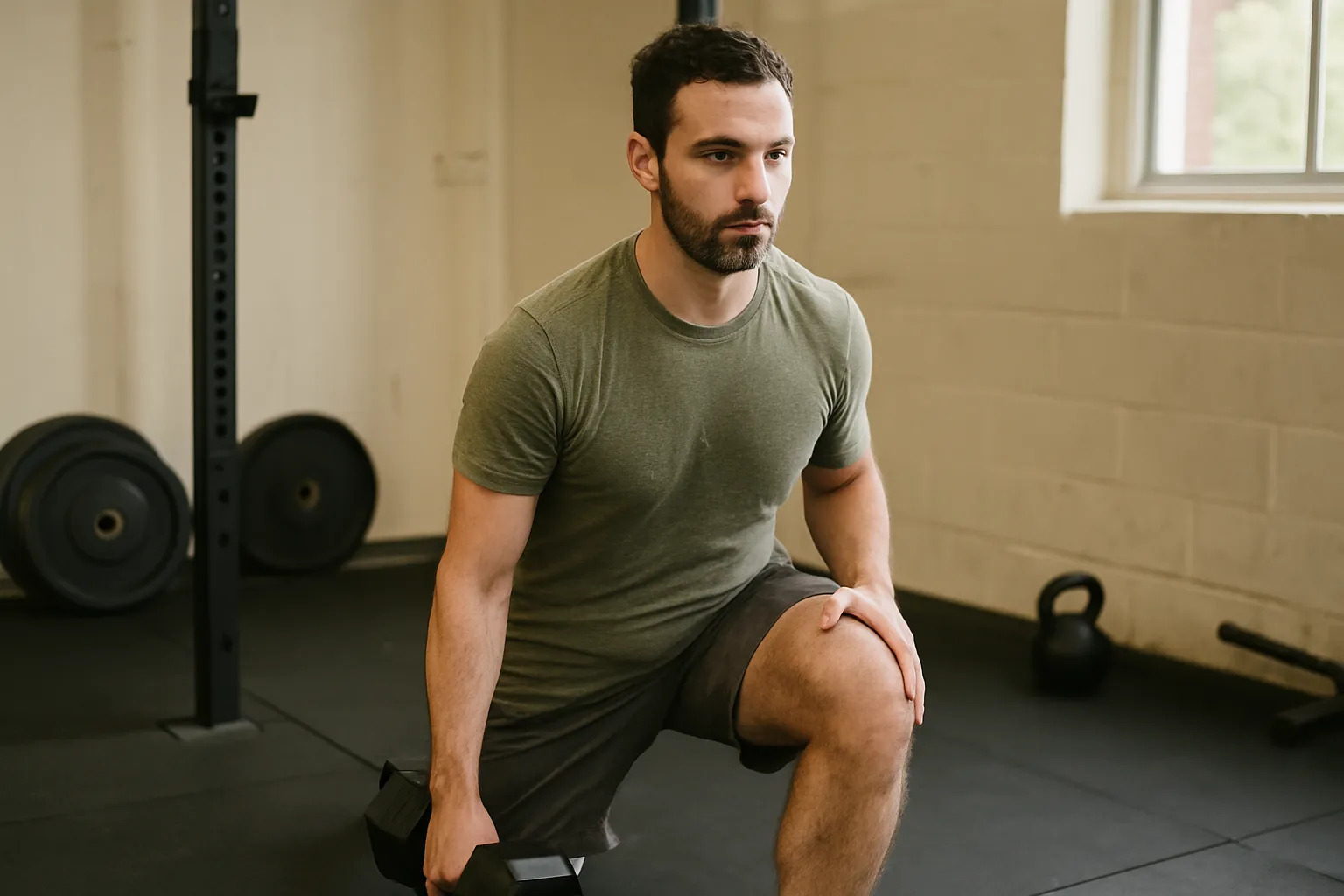
Most men train both sides of the body at once — think squats, bench presses, and deadlifts. But unilateral training, which works one limb at a time, is quietly gaining attention for a good reason: it helps correct hidden muscle imbalances, sharpens balance, and often translates more directly to real-world movement than bilateral lifts alone. Research suggests single-limb work can also challenge the core and stabilizing muscles in ways that two-limb exercises simply don't.
If you're looking to round out your training routine with moves that build functional strength rather than just raw numbers on a bar, these seven unilateral exercises are a smart place to start.
Why Unilateral Training Deserves a Spot in Your Routine
Every day, your body moves asymmetrically — walking, climbing stairs, reaching, twisting. Training one side at a time mimics this natural pattern more closely than symmetrical lifts. It can also expose strength differences between your left and right sides, which, left unaddressed, may contribute to compensations, fatigue, or nagging aches over time. Because unilateral moves demand more from your stabilizing muscles, they often pair well with core stability work for men who want performance that holds up outside the gym.
1. Single-Leg Romanian Deadlift
This move trains your hamstrings, glutes, and lower back while demanding serious balance. Standing on one leg, hinge at the hips while extending the opposite leg behind you, keeping your spine neutral. Go slow — the tempo is where the stability challenge lives.
- Start with bodyweight before adding any load
- Keep your hips square to the floor
- Aim for 2-3 sets of 6-8 reps per side
2. Split Squats
A staple for a reason. Split squats isolate each leg, helping reveal and correct strength asymmetries that a regular squat can mask. They also build the kind of hip and knee stability useful for sports, hiking, or simply navigating uneven ground.
- Keep your torso upright through the movement
- Lower until your back knee gently taps or hovers near the floor
- Progress by adding a pause at the bottom
3. Single-Arm Dumbbell Row
Rowing one arm at a time forces your core to resist rotation, which is a skill that carries over into daily tasks like carrying groceries or lifting awkward objects. It also lets you focus on pulling each side with full attention, rather than letting a dominant arm take over.
- Brace your core to avoid twisting your torso
- Pull the elbow back rather than up toward your ear
- Control the lowering phase just as much as the lift
4. Single-Leg Glute Bridge
This simple-looking move is surprisingly effective for building hip strength and addressing imbalances that can affect posture and lower-back comfort. Lying on your back with one foot planted, lift your hips while keeping the other leg extended.
- Squeeze the glute at the top without overarching your lower back
- Keep hips level throughout the movement
- Add a short pause at the top for extra challenge
5. Lateral Lunges
Most training happens in a forward-and-back plane, but daily life — and sports — often require side-to-side movement. Lateral lunges train the often-neglected muscles that stabilize your hips and knees in that direction, which may help reduce strain during quick directional changes.
- Push your hips back as you step to the side
- Keep the stepping foot flat and the knee tracking over the toes
- Return to center with control rather than momentum
6. Single-Arm Overhead Press
Pressing with one arm challenges shoulder stability and forces your core to resist leaning or rotating. It's a useful way to build pressing strength while also training the trunk muscles that keep you upright under load — a combination that pairs naturally with rotational power training for men focused on total-body athleticism.
- Keep your ribs stacked over your hips, not flared out
- Press directly overhead rather than letting the weight drift forward
- Start light; this move rewards control over heavy loads
7. Step-Ups
Step-ups replicate one of the most common movements in daily life: climbing. They build single-leg strength, improve balance, and can be scaled easily by adjusting step height or adding load.
- Drive through the heel of the stepping foot
- Avoid pushing off with the trailing leg
- Control the descent to maximize the benefit
Getting the Most Out of Unilateral Training
Unilateral moves can feel humbling at first — many men discover one side is noticeably weaker or less coordinated than the other. That's normal, and it's exactly the kind of imbalance this style of training is designed to address over time.
A few practical tips:
- Start with your weaker side first so it doesn't get shortchanged by fatigue later in the set
- Match reps and sets on both sides rather than "evening out" by doing extra on the weaker one
- Prioritize control over load — balance and coordination improve faster with lighter, well-executed reps
- Pair with grip-focused work, since many single-limb exercises double as a test of grip strength, which itself is linked to broader measures of vitality
Unilateral training also complements other performance-focused habits, including balance training moves that further sharpen coordination and joint stability.
FAQ: Common Questions About Unilateral Training
Is unilateral training better than regular two-limb exercises? Not necessarily better — more complementary. Bilateral lifts are excellent for building raw strength, while unilateral moves add balance, stability, and imbalance correction that bilateral training can miss.
How often should I include unilateral exercises? Many men find success adding one or two unilateral moves into two to three workouts per week, rather than replacing their entire routine.
Will unilateral training help with muscle imbalances? It can help reveal and gradually address side-to-side strength differences, though consistency and proper form matter more than any single exercise.
Final Thoughts
Unilateral training won't replace the big compound lifts, but it fills in gaps those movements often leave behind — stability, balance, and side-to-side strength parity. Adding a few of these moves to your weekly routine may support steadier, more resilient performance both in the gym and in daily life.
This article is for informational purposes only and is not a substitute for professional medical advice.