7 Ways to Build Core Stability for Everyday Performance
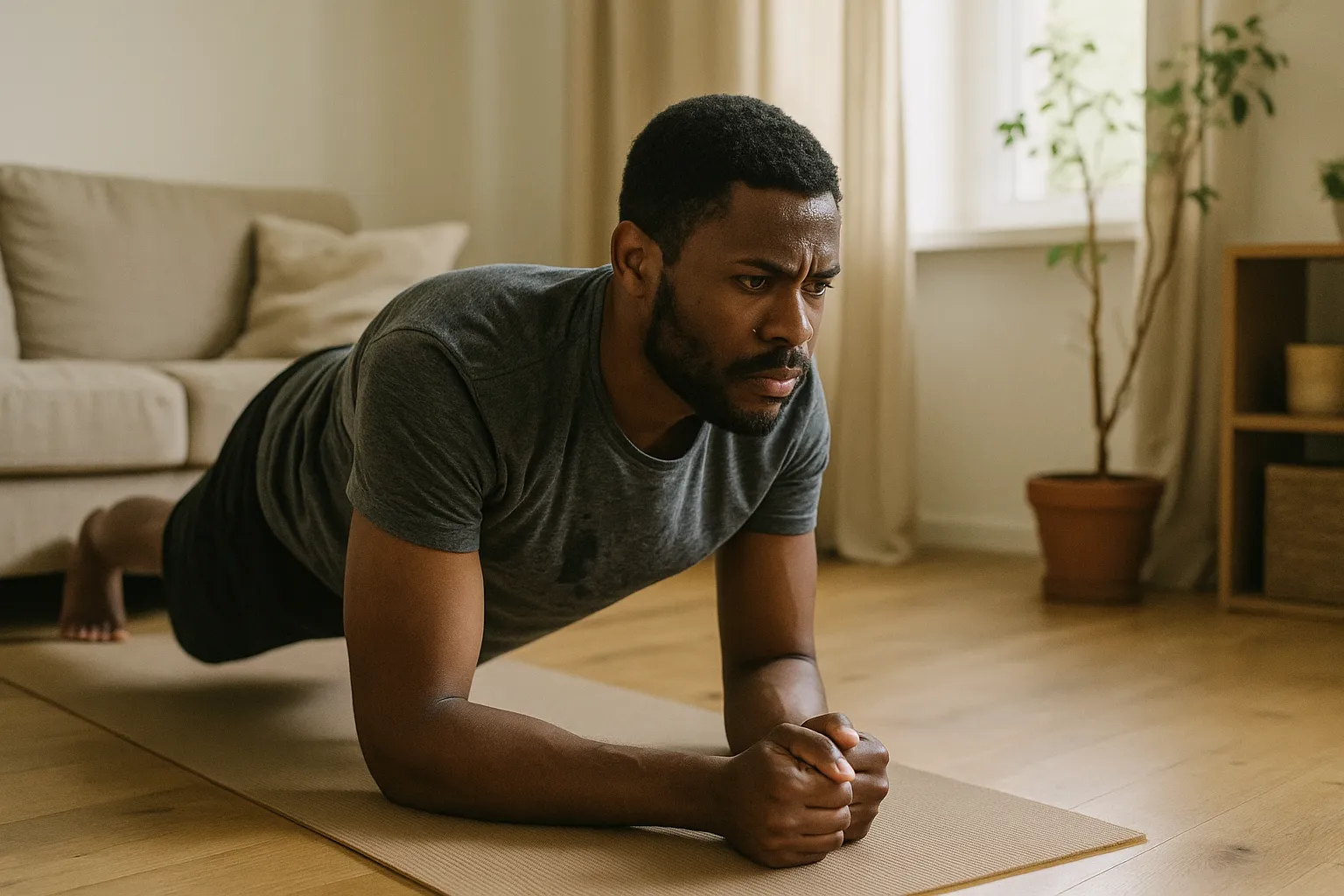
Core stability is the ability of your trunk muscles to control movement and keep your spine steady, whether you're lifting groceries, playing sports, or grinding through a tough workout. It goes far beyond visible abs—a stable core supports posture, balance, and the transfer of power between your upper and lower body. Building it takes more than endless crunches; it requires targeted training, mobility work, and consistency. Below are seven practical, research-informed ways to strengthen your core and translate that stability into real-world performance.
1. Understand What Core Stability Actually Means
Many men equate a strong core with visible abdominal muscles, but core stability is really about function. It involves deep stabilizing muscles—like the transverse abdominis, obliques, and lower back muscles—that work together to resist unwanted movement. A stable core helps you brace during heavy lifts, maintain balance on uneven ground, and avoid compensations that lead to strain. Thinking of your core as a stabilizing system, rather than a "six-pack," is the first step toward training it effectively.
2. Prioritize Anti-Movement Exercises
Traditional core workouts often focus on flexion (like crunches), but anti-movement exercises may do more for real-world stability. These moves train your core to resist rotation, extension, or lateral bending—exactly what happens during sports, lifting, or even carrying an awkward load.
- Planks and side planks to resist sagging or rotation
- Pallof presses to resist twisting
- Dead bugs to train coordination between limbs while keeping the spine neutral
These exercises build the kind of control that supports heavier compound lifts and everyday movement patterns.
3. Layer Core Work Into Strength Training
Rather than treating core training as a separate add-on, integrate it into your regular strength routine. Compound lifts like squats, deadlifts, and overhead presses already demand significant core engagement when performed with proper bracing technique. If you're building a structured lifting program, understanding how to progressively increase demand on your body—including your core—can help you avoid plateaus. For a deeper look at structuring this kind of progress safely, see this beginner's guide to progressive overload, which explains how gradual increases in training stress support long-term strength gains.
4. Don't Skip Rotational and Diagonal Training
Most daily movements—reaching, swinging, twisting to grab something behind you—involve rotation, not straight-line motion. Yet many core routines ignore this entirely. Adding rotational elements can improve functional stability:
- Cable or band woodchoppers
- Russian twists (performed with control, not momentum)
- Medicine ball rotational throws
These movements train the obliques and deep stabilizers to manage force in multiple directions, which may translate to better athletic performance and reduced injury risk during real-life twisting motions.
5. Warm Up With Purpose Before Core-Intensive Work
A stable core depends on mobile hips, shoulders, and thoracic spine. If those areas are tight, your core has to work overtime to compensate, which can lead to fatigue or poor form. Spending five to ten minutes on a targeted warm-up before training can prime your body for better movement quality. If you're not sure where to start, this guide to building a dynamic warm-up offers a practical framework for preparing your joints and muscles before a workout, which can make your core training more effective and safer.
6. Train Grip and Core Together
It might seem unrelated, but grip strength and core stability are more connected than most people realize. Exercises like farmer's carries, dead hangs, and loaded walks demand a strong grip while simultaneously forcing your core to resist lateral bending and rotation. This combination builds functional, real-world strength that's useful outside the gym—whether you're carrying heavy bags or maintaining balance during physical activity. For more on why this connection matters, check out this overview of grip strength and vitality, which explains how forearm and hand strength relate to broader markers of physical capability.
7. Be Consistent, Not Just Intense
Core stability isn't built in a single intense session—it develops through consistent, moderate effort over time. Training your core two to three times per week, with a mix of anti-movement, rotational, and integrated compound exercises, tends to produce better long-term results than sporadic, all-out sessions. Consistency also allows your nervous system to adapt, improving the coordination between your core and limbs during daily activities and workouts alike.
Why Core Stability Matters Beyond the Gym
A stable core supports more than athletic performance. It plays a role in posture, balance, and even confidence in how you move through daily life. Men who struggle with lower back discomfort or feel unsteady during physical tasks often find that targeted core work improves their overall sense of physical readiness. This kind of steady, functional strength can also support better performance during more demanding physical activities, since a stable trunk allows other muscle groups to work more efficiently without unnecessary strain.
FAQ: Common Questions About Core Stability
How long does it take to notice improved core stability? Many people notice better balance and control within four to six weeks of consistent training, though visible changes in muscle tone may take longer depending on overall body composition and training intensity.
Can I build core stability without equipment? Yes. Bodyweight exercises like planks, dead bugs, and bird-dogs are highly effective and require no equipment. Consistency and proper form matter more than access to specialized gear.
Is core stability the same as having strong abs? Not exactly. Strong abs are one component, but true core stability involves coordinated control across the entire trunk, including the lower back, obliques, and deep stabilizing muscles that aren't always visible.
Final Thoughts
Core stability is a foundational piece of overall physical performance, influencing everything from lifting mechanics to everyday balance. Rather than chasing a specific look, focus on building functional control through anti-movement exercises, rotational training, and consistent practice. Combined with proper warm-ups and integrated strength work, these habits can support a more resilient, capable body over time.
This article is for informational purposes only and is not a substitute for professional medical advice.