Ashwagandha Benefits for Men: A Beginner's Guide to Vitality
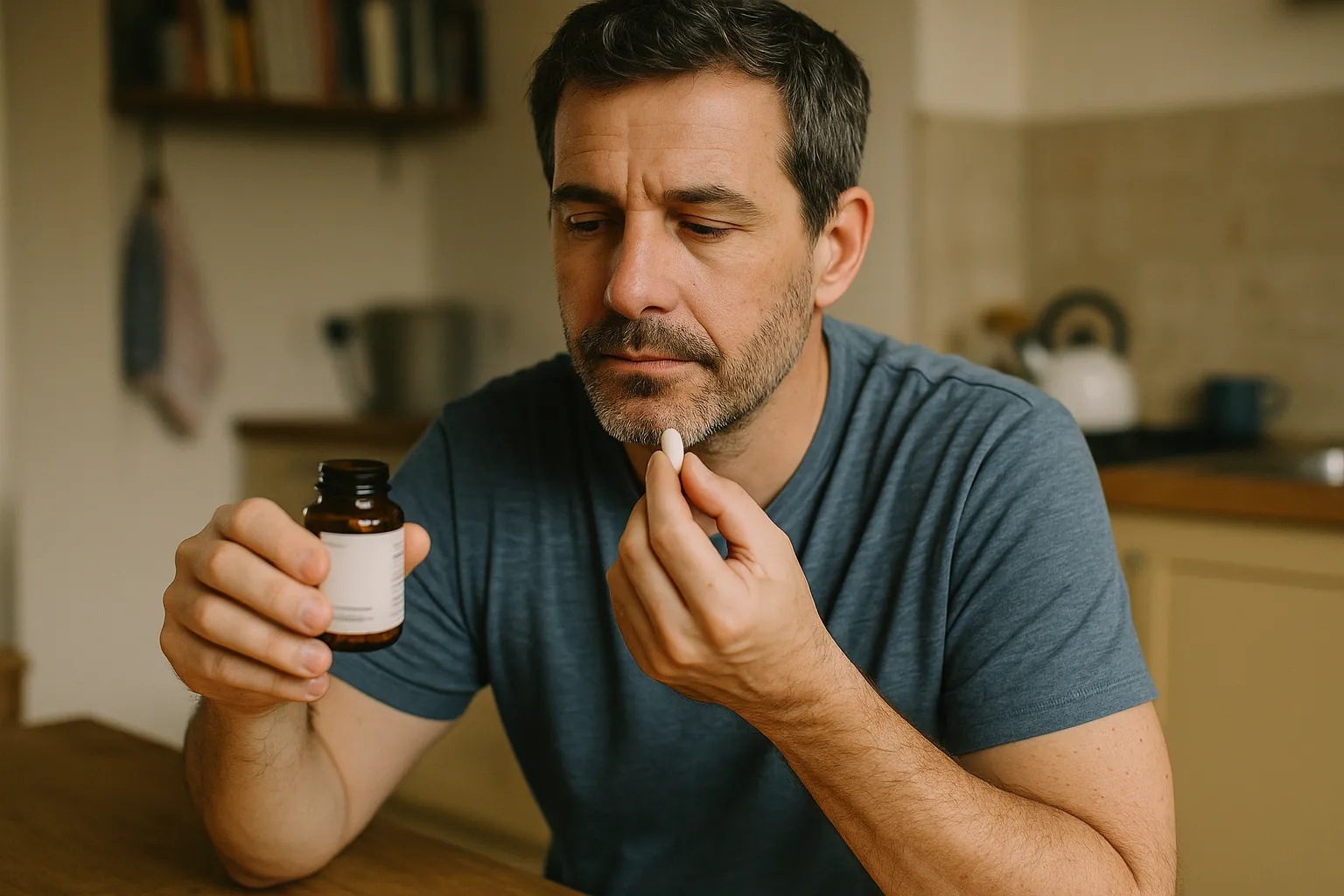
If you've spent any time researching natural ways to support energy, stress resilience, or overall vitality, you've probably come across ashwagandha. Understanding ashwagandha benefits for men starts with knowing what this ancient herb actually is, how it may work in the body, and what realistic expectations look like. This guide breaks it down step by step, assuming no prior knowledge, so you can decide whether it's worth learning more about.\n\n## What Is Ashwagandha?\n\nAshwagandha (Withania somnifera) is a small shrub used for centuries in traditional Ayurvedic practices in India. Its root and, less commonly, its leaves are processed into powders or extracts that people take as a supplement. It belongs to a category of plants called adaptogens — substances believed to help the body adapt to physical and mental stress more smoothly.\n\nUnlike stimulants that give a quick jolt of energy, ashwagandha is generally studied for its slower, cumulative effects on stress response, sleep quality, and hormonal balance. If you're curious about how other adaptogenic plants compare, the guide on adaptogenic herbs and male vitality offers a broader overview of this plant category.\n\n## How Ashwagandha Benefits Men\n\nResearch on ashwagandha is still developing, but several areas of interest have emerged for men specifically:\n\n### Stress and Cortisol Support\n\nOne of the most studied areas involves the body's stress hormone, cortisol. Some clinical research suggests ashwagandha supplementation may be associated with modestly lower cortisol levels in people under chronic stress. Since elevated cortisol over long periods can contribute to fatigue, poor sleep, and sluggish recovery, this is a key reason the herb gets attention. For a deeper dive into how cortisol affects daily energy, see this beginner's guide to cortisol balance.\n\n### Energy and Stamina\n\nBecause chronic stress and poor sleep are common drains on daily stamina, some men report feeling more energized after consistent use. It's worth noting that ashwagandha isn't a stimulant — any perceived energy boost is thought to come indirectly, through better stress regulation and sleep quality rather than a direct caffeine-like effect.\n\n### Hormonal Balance\n\nA handful of studies have examined ashwagandha's relationship with testosterone levels in men, with some showing modest increases under certain conditions, such as resistance training programs. However, results are mixed and more research is needed before strong conclusions can be drawn. If you want a clearer picture of what's proven versus exaggerated in this area, the article on testosterone myths and facts is a useful companion read.\n\n### Circulation and Physical Performance\n\nSome smaller studies have looked at ashwagandha's potential role in supporting endurance and recovery during physical activity, though this research is still limited compared to more established ingredients. It's generally viewed as a supportive, background player rather than a primary performance tool.\n\n## What the Science Actually Says\n\nIt's important to approach ashwagandha with realistic expectations. Most human studies are relatively small, short-term, and funded by supplement manufacturers, which means the findings — while promising — aren't definitive. Phrases like "may help" or "associated with" are more accurate than any claim of guaranteed results.\n\nThat said, ashwagandha has a long history of traditional use and a generally favorable safety profile in available studies, which is part of why it remains popular among researchers studying stress and vitality in men.\n\n## How Men Typically Use Ashwagandha\n\nAshwagandha is most commonly available as:\n\n- Root powder — often mixed into drinks or taken in capsule form\n- Standardized root extract — concentrated for more consistent dosing\n- Combination formulas — blended with other adaptogens or vitamins\n\nDosing in studies has varied widely, so there's no single "correct" amount that applies to everyone. This is one of the reasons it's worth discussing use with a healthcare provider rather than guessing.\n\n## Who Should Be Cautious\n\nAshwagandha isn't right for everyone. Men with certain thyroid conditions, autoimmune disorders, or those taking specific medications (such as sedatives, thyroid medication, or immunosuppressants) should talk to a doctor before trying it. It's also generally advised that people planning surgery stop use beforehand, since it may affect blood sugar and blood pressure.\n\nIf you're also working on stress resilience through other means, building emotional stamina alongside any nutritional approach can create a more well-rounded foundation for handling daily pressure.\n\n## Lifestyle Habits That Complement Ashwagandha\n\nNo single herb works in isolation. Men interested in ashwagandha often pair it with broader wellness habits, such as:\n\n- Prioritizing consistent sleep schedules\n- Managing workday stress through short breaks and movement\n- Eating a nutrient-dense diet that supports circulation and hormone production\n- Staying physically active with a mix of strength and cardiovascular training\n\nThese foundational habits tend to amplify whatever benefits a supplement might offer, rather than relying on any single ingredient to do all the work.\n\n## Frequently Asked Questions\n\nIs ashwagandha safe for daily use?\nMany studies use daily dosing for 8-12 weeks without major safety concerns reported, but long-term data beyond that window is more limited. Periodic breaks and medical guidance are reasonable precautions.\n\nHow long does it take to notice anything?\nMost research suggests effects, if any, build gradually over several weeks rather than appearing immediately, which fits with how adaptogens are thought to work on the body's stress systems over time.\n\nCan it be combined with other supplements?\nSome men combine ashwagandha with other nutrients that support energy or circulation, but combining multiple supplements increases the importance of professional guidance to avoid unwanted interactions.\n\n## The Bottom Line\n\nAshwagandha benefits for men are an active area of research, particularly around stress regulation, sleep, and modest hormonal support. It's not a quick fix or a guaranteed performance booster, but as part of a broader approach to wellness, many men find it worth exploring with realistic expectations and professional input. As with any supplement, understanding both what it may offer and its current limitations helps you make an informed decision rather than relying on hype.\n\nThis article is for informational purposes only and is not a substitute for professional medical advice.